
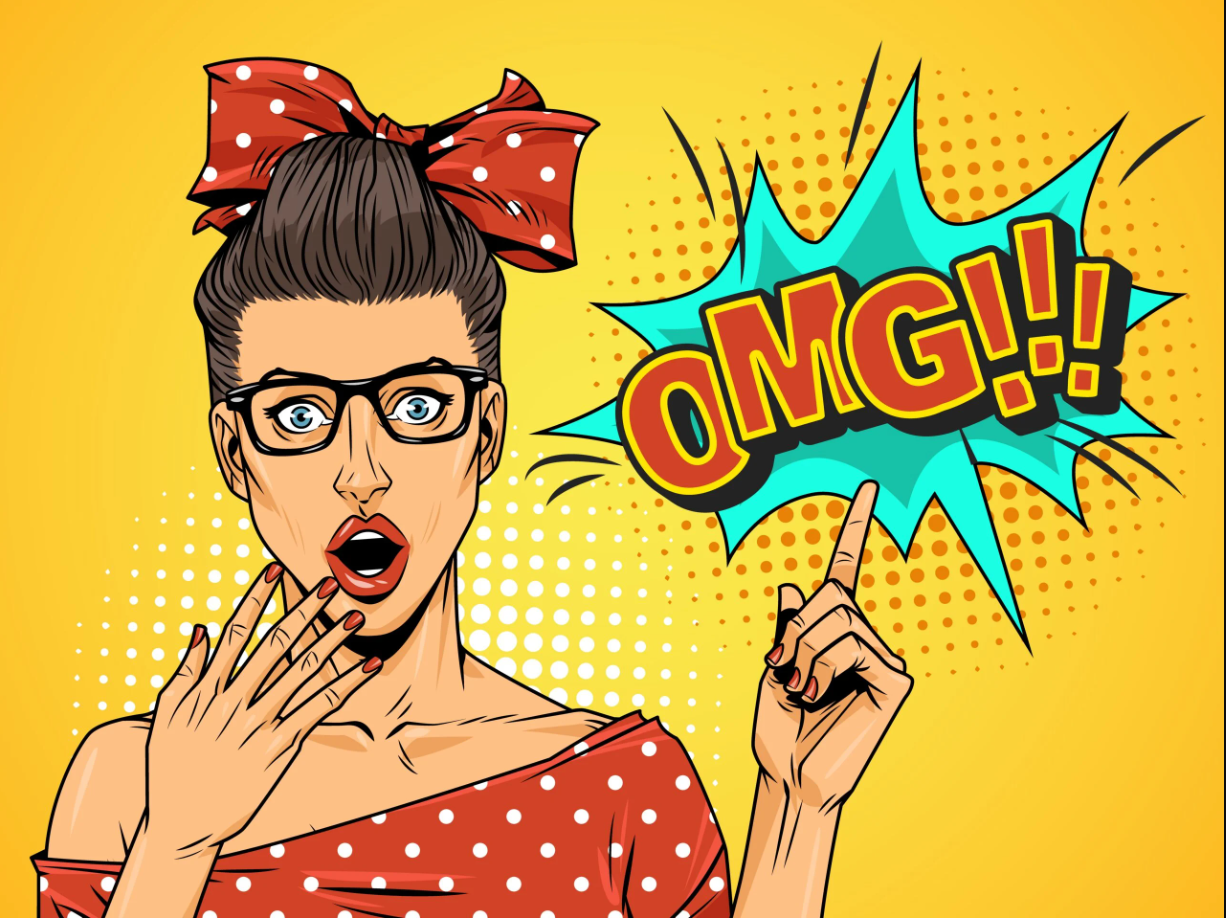

Long before companies obsessed over logos, influencers, product placement, and social media aesthetics, pop art had already figured out something powerful: in modern culture, the image can become just as important as the product itself.
Pop art did not simply borrow from advertising. It exposed the way advertising was beginning to shape how people saw the world. A can of soup was no longer just food. A soda bottle was no longer just a drink. A celebrity was no longer just a performer. Through repetition, color, packaging, and familiarity, ordinary things became symbols.
That is why pop art still matters. It was not just a colorful art movement. It was an early warning sign that branding would become one of the dominant languages of modern life.
Pop Art Took the Everyday and Made It Iconic
Before pop art, many people thought of serious art as something distant from everyday life. It belonged in museums, galleries, and private collections. It was expected to deal with grand subjects, complex emotions, or traditional ideas of beauty.
Pop art challenged that thinking.
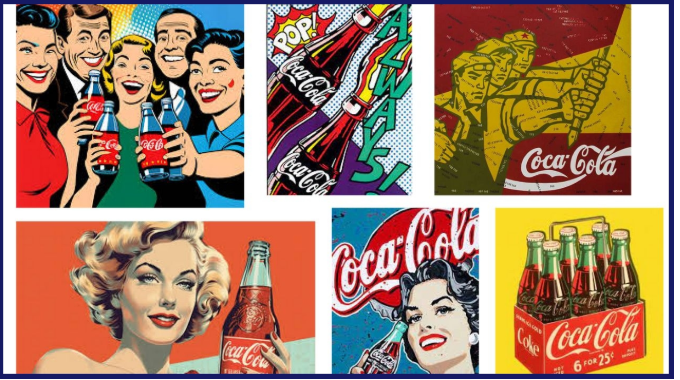
Instead of painting only landscapes, portraits, or abstract forms, pop artists turned their attention to grocery store shelves, comic books, movie stars, magazine ads, product labels, and mass-produced images. They took the things people saw every day and made them impossible to ignore.
That shift was important because it changed the conversation around art. Pop art suggested that culture was not only being shaped by politics, religion, or elite institutions. It was also being shaped by packaging, television, advertising, consumer goods, and celebrity images.
In other words, pop art recognized that the marketplace had become a cultural force.
The Package Became Part of the Product
One of the biggest lessons pop art gave the modern world is that presentation matters.
A product does not live by function alone. It lives through color, shape, repetition, design, and recognition. People may buy something because they need it, but they often remember it because of how it looks and how it makes them feel.
That is one reason brands spend so much time protecting their visual identity. A logo, color palette, slogan, or product design can carry emotional weight. It can create trust. It can create desire. It can create status.
Pop art understood this before the branding industry fully became what it is today. It showed that a product could become a cultural object. It showed that a package could become art. It showed that the visual identity around a thing could sometimes become more famous than the thing itself.
That idea now sits at the center of modern marketing.
Repetition Was Not Just Design. It Was Strategy.
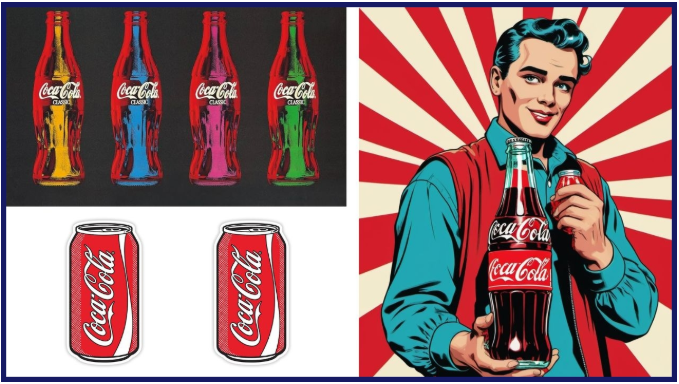
Pop art often used repetition. The same face. The same product. The same image repeated over and over again.
At first glance, that repetition can feel playful or decorative. But there is a deeper message inside it. Repetition is how mass culture works. It is how advertising works. It is how celebrity works. It is how a brand becomes familiar.
Modern branding depends on repetition. The same logo appears on a website, a billboard, a social media post, a product package, a commercial, and a sponsorship banner. The goal is not always to explain everything. Sometimes the goal is simply to be seen enough times that the image becomes familiar.
Pop art captured that idea visually. It showed how repeated exposure can turn an image into an icon.
That is why the movement feels so connected to today’s world. We now live in a culture of repeated images. Scroll through any social media platform and you will see the same faces, products, slogans, trends, colors, and formats appearing again and again. Pop art predicted that rhythm.
Pop Art Saw Celebrity as a Brand
Pop art also understood the power of celebrity culture.
A famous person is not only known for their talent. They are known through images. Their face, style, signature look, public persona, and repeated media appearances become part of their brand.
That idea is everywhere today. Influencers, athletes, musicians, actors, politicians, and entrepreneurs all build public identities through carefully repeated images and messages. Their personal brand becomes part of what they sell.
Pop art recognized this early. It treated celebrity images almost like product packaging. The face became a symbol. The symbol became marketable. The market made the symbol even more powerful.
That is one reason pop art still speaks to the present moment. Today, almost everyone is encouraged to think like a brand. People curate their photos, shape their public image, manage their online presence, and package their lives for public consumption.
Pop art did not create that culture, but it saw it coming.
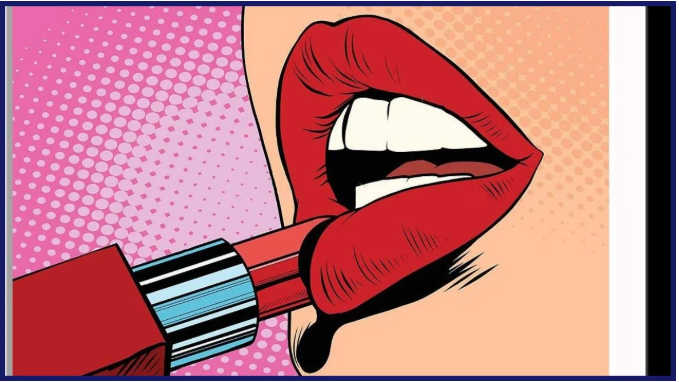
The Movement Blurred the Line Between Art and Advertising
Pop art made people question where art ended and advertising began.
Was a colorful product image just a commercial object, or could it also be art? Could a comic book panel belong in a gallery? Could a celebrity portrait be both cultural commentary and visual entertainment?
Those questions still matter.
Today, the line between content, art, branding, and advertising is thinner than ever. A fashion campaign can look like a short film. A music video can sell a lifestyle. A social media post can function as personal expression and product promotion at the same time.
Pop art helped open the door to that world. It showed that commercial imagery had artistic power, and that art could borrow the tools of advertising to make a larger cultural statement.
What Brands Can Still Learn From Pop Art
The lesson for modern brands is not simply to use bright colors or comic-style graphics. That would be too shallow.
The real lesson is that people respond to images that feel familiar, bold, and culturally connected.
Pop art worked because it understood the world people were already living in. It took the language of supermarkets, magazines, television, celebrities, and advertisements and turned it into something larger. It made people look again at things they had stopped noticing.
That is what strong branding does. It takes something ordinary and gives it meaning. It creates recognition. It builds an emotional connection. It makes a product, person, or idea easier to remember.
For small businesses, creators, and organizations, this lesson is important. Branding is not just about looking professional. It is about becoming recognizable. It is about creating a visual and emotional identity that people can connect with quickly.
Pop Art Was Ahead of Its Time
Pop art may be associated with the 1950s and 1960s, but its ideas feel more relevant now than ever.
We live in a world driven by images, products, personalities, platforms, and visual repetition. We are surrounded by brands. We consume culture through screens. We recognize products by their colors before we read their names. We follow people whose public image is carefully designed and constantly repeated.
Pop art saw the power in all of that.
It understood that modern life was becoming visual. It understood that consumer goods were becoming symbols. It understood that fame could be packaged. It understood that the marketplace was not just selling products. It was selling identity, aspiration, and belonging.
That is why pop art was more than a movement. It was a preview.
Before branding became a business obsession, pop art showed us where culture was headed. It revealed that the images around us are never just decoration. They shape what we desire, what we remember, and how we understand the world.
In that sense, pop art did not just reflect modern branding.
It helped predict it.